Showing posts with label gazetteer. Show all posts

Wednesday, March 9, 2016

Lands of Khem: Gazeteer

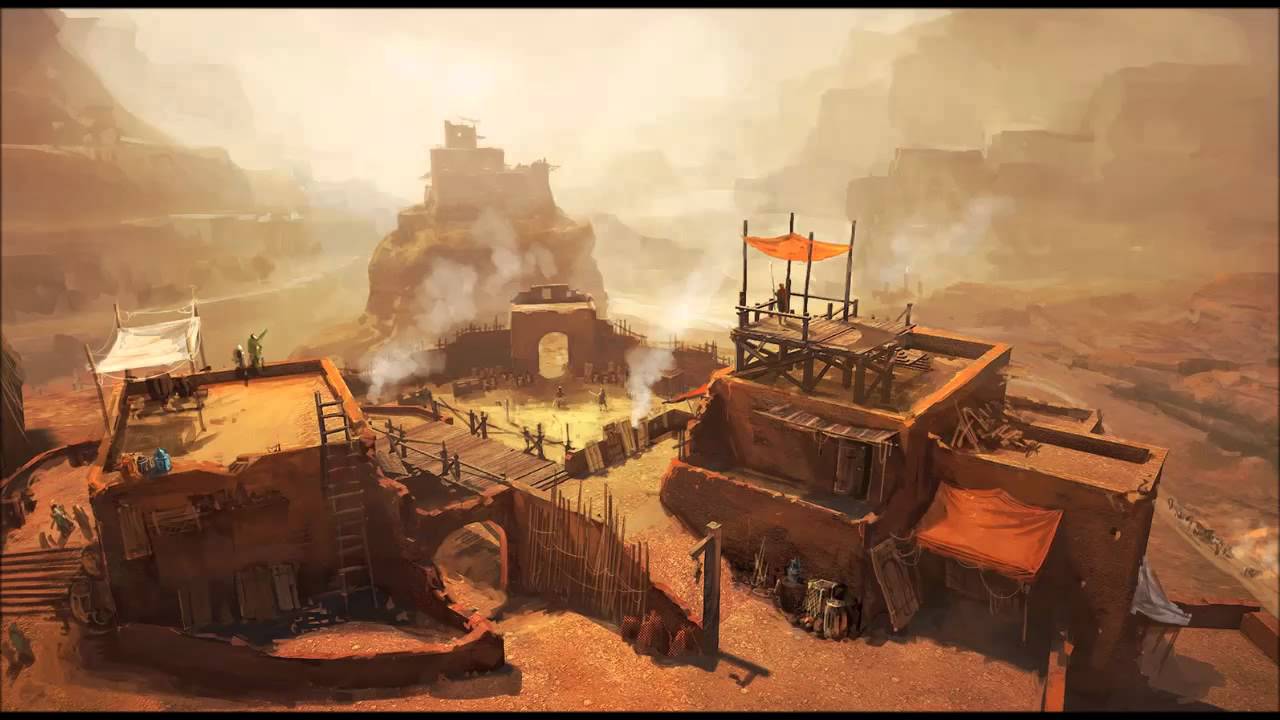
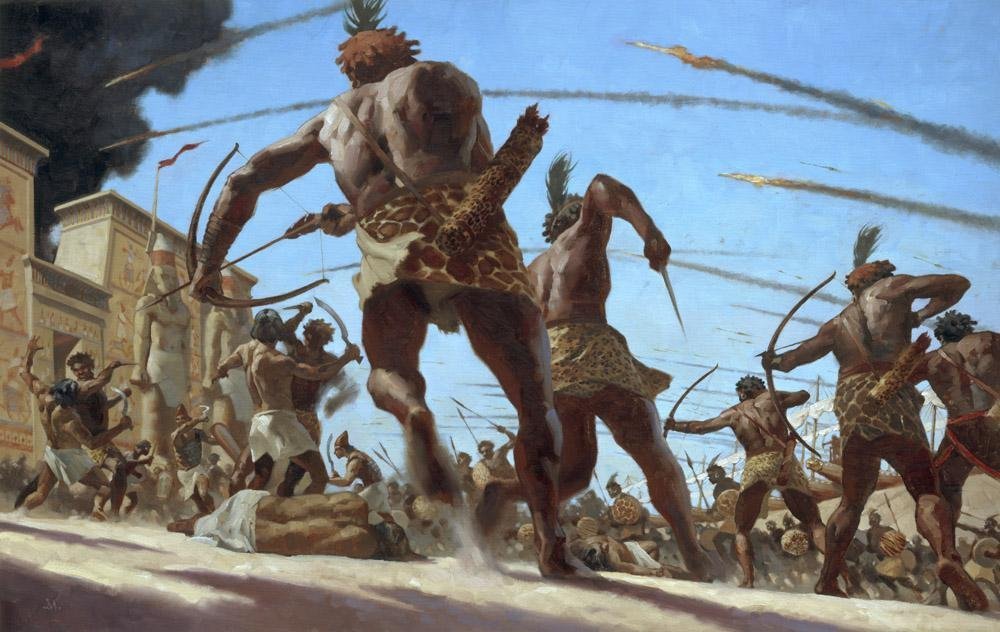
Themes: river encounters with hippos; raids on caravans, chariots, festivals with garlanded bulls and jumping dancing girls, beggars, pickpockets, nobles on palanquin with honeycombs in their hair, sorcerer-priests, brawny barbarian mercenaries, snakemen, jackalmen. More pictures: http://pin.it/a9UIhN3

Thematic Map (i.e. inaccurate)
Below is a thematic map based on Hyboria, many city names and locations are wrong, as are the names of some regions (no Stygia! Shem and Khem are interchangeable).

Civilized
  • Khem, ruled by the Pharaoh, though many Nomarchs and High Priests exercise de facto sovereignty in there various dominions. Pa-Nekhen is the seat of the Pharaoh, the Living God, he who shall never die but continuously reborn. Pa-Nekhen is oft referred to by His temple-palace, Karnak. Khem is famed for necromancers and sorcerer-priests, beer, bread, the inundations of the Great River providing great bounty, the scholars of its thousand temples. Bubastsis, city of cats, sits on the clearest channel in the Great Delta and is the main trade city of Khem. Twelve great gods, but each village and district has their own netjer; ennead; gods have skins of gold, bones of silver
  • Argos, a land of rivalrous free-cities, though they have been known to ally against outsiders. The Argossi are famed craftsmen and sailors, but not for their sorcerers. The Argossi cities have many different political forms. The nearest Argossi city to Khem is Kyros, a smaller trading hub.
  • In the Mountains of Flame (or Fire), is Abaddon, city of the diabolists, graven into the skill-shaped side of a mountain. These slavers prey upon both civilized and barbaric peoples.

Barbarians
  • beyond the Mountains of Flame and Plains of Thessalia, dwell the northern barbarians; they fashion iron from the bodies of red dragons, wearing mail and sailing longships, small hill-forts and long halls in river valleys of mountains, vast dark forests
  • in the far south, past the Great Desert, lie the kingdoms of the southern barbarians. They are famed bowmen and mighty warriors, hunters of lions. 
  • seen in civilized lands because offered gold to serve the Pharaoh or Nomarchs, viewed as primitives, but stronger, braver, and less craven than 'civilized' men. 
  • Northern kingdom names: Koth, Karolan, Middenheim, Nemedia, Brythuin. 
  • Southern kigndom names: Kush, Darfar, Tombalki.
  • the barbarian king Karolus the Great united many petty kingdoms generations ago, instituted worship of the strange One God, now his worshippers war against all who do not worship him. Karolans more likely than most barbarians to fight from horse, screaming as they charge with spears.

Nomads

  • travel the desert routes between oases and the Far Roads to the south and east. Many worship Anubis, the Opener of Ways, but consider necromancers apostate.
  • excellent at survival in the heat, horse archery, raiding or escorting caravans


Nonmen
- Ophidius, black cyclopean blocks rising from edge of the swampcity state of the serpent-king, ancient sorcerer views mammals as food and experimentation, seek to return to the chaos of Nun, 
- lizard folk dwell in the Great Delta, reed rafts, lizard-headed but also crocodilians, newtish skinks, use stone and scavanged weapons; lizardmen keep secret their Sacred Pool where the god Sobek is said to dwell.
- The Favored, animal-headed  some say created by sorcerer-priests that bred them, most live in temple precincts, embody attributes of their gods, ignorant folk ascribe semi-divine status to them
- Isles of the Naga, off the coast of Khem, strange sorcerous kings of otherwise arcadian islands
- Desert of Glass (obsidian) rumored in the deep desert


Sunday, November 29, 2015

Ironlands Gazeteer


Short gazetteer on the campaign setting for my home game. It's basically Game of Thrones with some warhammer and birthright from tsr mixed together. I like politics and knights in my game, and don't mind some over-the-top warhammer-isms.

The Faith of the Three (AL: Law) - this is main faith of men, the faith in the Lord of Justice, the Lady of Mercy, and the Child of Redemption. In the days of the High Kings, this faith spread throughout all the lands of men, displacing older religions like supplication of the Gods of Stone and Tree (still worshipped by some northerners, barbarians, and elves). The Canons of the Faith, proclamations, speak to the need to live by a personal moral code to achieve the highest human purpose, which men (unlike elves and dwarves and so on) are uniquely able to access. Righteous acts are intrinsic rather than situational. The Faith is highly suspicious of magic-users and wizardry, considering many witches, which is often justified by the corruption and chaos unleashed by use of magic by wizards or faeries. The Faith also endorses the rulership of nobility as a force for stability. Questing knights are often blessed by the Lady to go forth and do acts of mercy, such as rescuing the weak and killing threats to the peasantry, but the Justice of the Lord can be harsh and unforgiving (although effective in killing menaces to humankind). The widespread blessings of the Faith are considered by scholars to have enabled the early High Kings to defeat the magic of the long-lived but slowly reproducing elves, who, while powerful with study, took far longer to master their magics than a believing knight or cleric required.


Religion and belief in general - religion corresponds with alignment of Law (The Faith of the Three), Neutrality (The Old Gods, of Stone and Tree), and Chaos (Ruinous powers). Law must obey rules or Canons of the Faith or can suffer curses, afflictions, and be susceptible to damnation. Neutrality requires placating the old gods, by appeasing the fey, spirits of the land, or suffer their wrath; no general moral behavior is required however, beyond generally being noticed by these cthonic gods of fate (who may also send challenges to characters and grant rewards for overcoming them). Chaos requires nothing, but is inherently corrupting, and the Faith of Law will abhor. Many wizards are lawful, but they are considered half-heretics and some experiments and ‘free-thinking’ will deny them the benefits of the Faith.

Shieldlands (House Bell) - House Bell is headed by Brandon Bells, with their great castle-town Bellstones, where a hundred church bells can be heard to ring. Lord Brandon's castellan, Sir Lucian, controls the gatetown of Blueford on the River Blue, which feeds the Great River, the Maesil. The Shieldlands traditionally guard the Great River valley of the heartlands from incursions from the north, typically beastmen, who come down from the Gorgon's Crown through the Bloody Vale. Faith in the Lady is strong in the Shieldlands.

Brandon Bell is allied with House Caster, his southeastern neighbor, through his new wife.

House Ascalon of Rosehall - a banner house of House Bell, House Ascalon is led by Lord Aedric Ascalon. His son Jean Ascalon took up to quest for the Lady in Mordheim, before that city was destroyed by a great meteor and invasion of beastmen from the Gorgon's Crown. Rosehall, the House's seat, is castle town guarding the Blue River in the Songwood (central Shieldlands). House Ascalon has a storied lineage of chivalrous knights, but Lord Aedric has but one child, his childless son, and so fears for his house's future.

Bloodvale - or the Bloody Vale, this valley has known a thousand battles between elves and men and dwarves and giants and goblins, and now beastmen brought forth by chaos and all the rest. An ancient dwarf delving, the Dwarrowdelve lies in the Stonecrowns that dominate the vale. A goblin king also makes the Bloody Vale home, sending troops from his 'castle' Markazor in the eastern Stonecrowns. Beyond the present maruaders and beastmen and goblins, the veil between living and dead is often thin here. Supposedly there is also a Shrine dedicated to a great healer, St. Tabitha, lost in the Bloody Vale, she unsuccessfully sought to bring peace to the land, but sometimes pilgrims pay her homage.

Ramsgate - this high castle dominates the pass through the Stonecrowns on the western border of the Dales. It is the hold of House Shearer, bannermen to House Harlaw of the Dales. The PCs went through Ramsgate and had to pay tolls for safe passage into the Bloodvale. House Shearer will send patrols through the Bloody Vale sometimes, and are known hardened knights.


The Dales - lands of House Harlaw, who bear ancient grudges against their more glamorous neighbors of House Bell. But Harlaw and their Dalesmen are tough folk of the hills, who have killed many a beastman herd or raider. The Harlaws respect the fellow border lords of the Marches, but seek vengeance against the Sielewode which abandoned the Dales in a war against the Gorgon, resulting the death of Harris Harlaw’s father, Harald Harlaw.

The Marches - ruled by House Wolfe, hard northerners, first granted land millennium ago by the elves in their war against the giants, so many worship Gods of Hill & Tree still. Ruled from the Tor, a mighty hilltop castle, with castles at Cold Harbor and Thunderhill (where Thurazor was). Banners: Wolves, House Crom (of Giantshead), House Oakhurst (Oakrest, Lord Ector), House Hawkwood (3 flying hawks) of Deephold, House Grey of Thunderhill (lightning), House Pike (lords of Cold Harbor, a blackfish, followers of the Drowned God). The Marches are at war with Tuarhieval and the Carrock.


The Carrock - carved their lands from high hills of the northern Stonecrowns. Fierce and ambushy folk. Scion, Ser Caradon Carr, eloped with Enide Oakhurst, daughter of Ector Oakhurst. Lord Marc Carr wants to make peace for sake of pregnant Enide. A wedding has been arranged at the Carrock soon. 


The Gorgon's Crown - lands of the Gorgon, a mighty champion of Chaos who was a younger scion of the ancient family of the High Kings. He commands armies of beastmen and chaos knights from his iron fortress, Kal Saitherak, and is rumored to even have subdued ancient dragons as his minions.